

How Can I Tell if I Have Polybutylene Plumbing?
If your Florida home was built between the 1970s and 1990s and the plumbing has never been replaced, there's a good chance you still have polybutylene pipes somewhere in your system.
Polybutylene piping is usually gray and flexible, typically ranging from 1/2" to 1" in diameter, and it's only used in fresh water potable plumbing. Check around your water heater, along pipes in attics or crawl spaces, across basement ceilings, and at the supply lines under sinks in cabinets.
PB piping was never used for drain, sewer, or vent lines, so you won't find it there. If you spot the telltale gray tubing, look for the code "PB2110" printed on it — that's the confirmation you're dealing with polybutylene.
Still not sure whether you have poly pipes? Contact us for a free consultation, and one of our local repipe consultants will be happy to take a look.
Does Florida Homeowners Insurance Cover Damages Caused by Polybutylene Pipes?
Polybutylene pipes have a well-documented history of failure, which makes it all the more important to know whether you're actually covered for the damage they can cause.
Unfortunately, coverage for polybutylene-related damage under Florida homeowners insurance tends to be limited, and how limited often comes down to the specific terms of your policy.
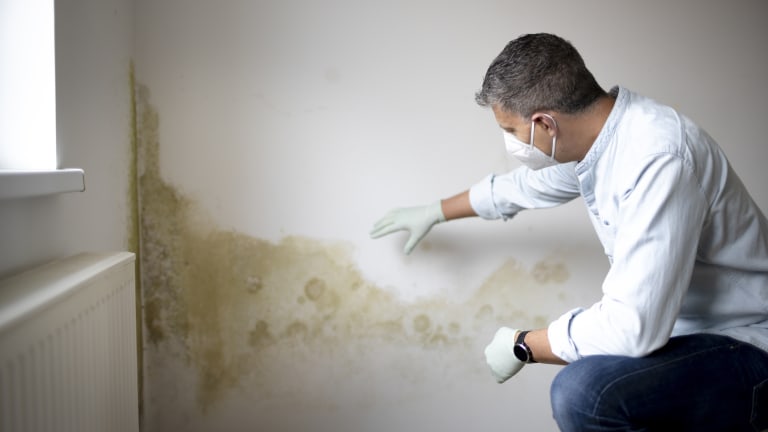
Here's how a few major insurers approach polybutylene plumbing:
- Citizens Property Insurance Corporation — Florida's insurer of last resort for homeowners who can't find coverage in the private market — won't insure any property with polybutylene plumbing at all.
- Allstate Insurance, which writes policies in Florida and several other states, will only cover a polybutylene leak if it's "sudden and accidental" — chronic or gradual leaks typically aren't covered.
- Rate increases and new exclusions are becoming more common industry-wide. We've seen a growing number of homeowners reach out after their insurer raised rates or added leak exclusions, even when they'd never filed a claim or experienced a poly pipe leak.
Given all this, it's worth reviewing your policy closely and asking your insurer directly about any endorsements that might be available to you.
Will Florida Homeowners Insurance Replace My Polybutylene Pipes if They Fail?
Standard homeowners insurance policies in Florida generally won't cover the cost of replacing polybutylene pipes, even if they fail.
In fact, here at Repipe Specialists, we're not aware of any current homeowners insurance policy that would pay for a full or even partial poly pipe replacement.
That shift traces back to 2012, when a lawsuit between a homeowner and State Farm Insurance (Guadiana v. State Farm Fire & Cas. Co.) prompted most insurers to add explicit exclusions so they'd never be on the hook for replacing a homeowner's poly pipes. Before that ruling, many policies were worded broadly enough to cover both the water damage and the repairs needed to fix it.
As Allstate Insurance puts it, "Most homeowners insurance policies will not cover the source of the water damage". In practice, that means even a sudden plumbing failure (polybutylene or not) won't get your pipes replaced under a standard policy.
Some insurers do offer endorsements or riders specifically for polybutylene coverage, but they come at a cost. We've seen cases where the added premium for poly pipe coverage actually exceeded the cost of a full repipe — running as much as $5,000 to $7,000 extra per year for a small, single-story, two-bathroom home.
If your Florida home still has polybutylene plumbing, replacing it is really the only way to protect both your insurance coverage and the long-term health of your home's pipes.
What is a Good Replacement for Polybutylene Pipe?
Replacing your polybutylene pipes pays off quickly. It saves you money and spares you the headaches that come with waiting for a leak to happen.
Both copper piping and PEX tubing are suitable materials for a repipe, but the vast majority of our customers choose PEX tubing.
That's because the damage from just one water leak can easily cost more than a full repipe to PEX. A slow leak hidden inside a wall or behind a cabinet can go undetected for months, while a sudden, catastrophic leak can flood your home in minutes. If you can't shut off the water supply quickly, either scenario can cause serious damage to your home and belongings.
Contact us to have one of our local repipe consultants provide a free quote and consultation.
Get your free estimate today
With over 80,000 repipes completed, we've perfected our One-Stop Repipe™ for your home.
Receive a Free Polybutylene Replacement Quote.
Here at Repipe Specialists, we've fully replaced polybutylene plumbing in thousands of homes since 1991 using both copper piping and PEX tubing. We continually get positive customer feedback from customers about their overall home repipe experiences. We often exceed their expectations on:
- Speed: Our repipe crews typically complete a repipe in a day, returning on another day for wall patching.
- Convenience: Through our One-Stop Repipe™ Process, we handle everything from permits, to wall patching, to inspections.
- Cleanliness: Our crews are trained to protect your home while working (we cover all surfaces with protective sheeting), and to clean up fully at the end of each day.
- Peace of Mind: Repipe Specialists is a fully licensed plumber in every state we operate in, and we back all of our repipes with a lifetime warranty.
- Financing programs: To help take the sting out of unplanned repipe expenses, we offer several financing programs.
- Price: As a specialist that performs hundreds of repipes a week, we can deliver high quality repipes at a lower cost vs generalist plumbers. We have an article that covers repipe cost factors in detail. Our quotes typically range from $4,500 to $15,000 depending on the size and complexity of your project.
Schedule a free in-home consult, and one of our local repipe consultants will explain all your repipe options and provide you with a written, fixed-price quote. Fix polybutylene plumbing issues at the source, repipe now.