
What Happens After a Repiping Project Is Completed?
Once new pipes are installed in your home, the final stage of the repiping process usually focuses on testing, inspection, and restoring your home's water.
At Repipe Specialists, we will typically pressurize the system to check for leaks and ensure all connections are secure. This pressure testing step is critical, as it confirms that every joint, valve, and fixture connection is performing correctly before the system is fully ready for use.
After testing, we will restore your water supply and check each fixture by running it briefly to help flush out any air that may have entered the lines during installation. It's common to notice a short period of sputtering or slightly cloudy water as the system stabilizes, but this typically clears quickly once the pipes are fully flushed.
At this stage, your plumbing system is essentially brand new. You should expect consistent water pressure across fixtures, improved flow compared to older piping, fewer fluctuations in temperature and pressure, and a significant reduction in leaks or hidden failures in your system with brand-new materials such as updated Uponor PEX-A tubing or Type L copper pipe, depending on your personal preferences.
This transition period is short, but it's an important step in ensuring your home's new plumbing system is operating as it is meant to.
Will the Contractor Repair Walls and Ceilings After Repiping?
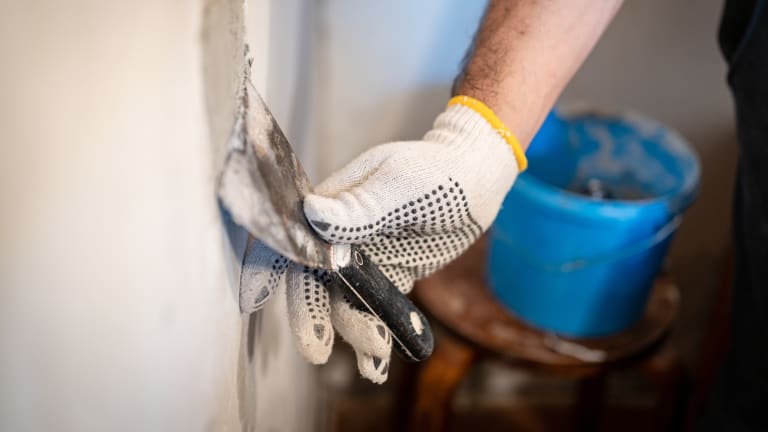
Because repiping involves accessing pipes within walls, ceilings, or floors, there are often some small openings created during installation. Once the plumbing work is complete, contractors usually carry out basic restoration to return these areas to a clean, functional condition.
In most whole-home repiping projects, contractors will:
- patch all access points created during the installation of your new plumbing
- secure and prepare surfaces for final finishing
- ensure walls are structurally sound and ready for paint or texture matching
Some repipe companies include full restoration, while others focus on plumbing and structural patching only, leaving final painting or cosmetic blending to the homeowner or a separate tradesperson.
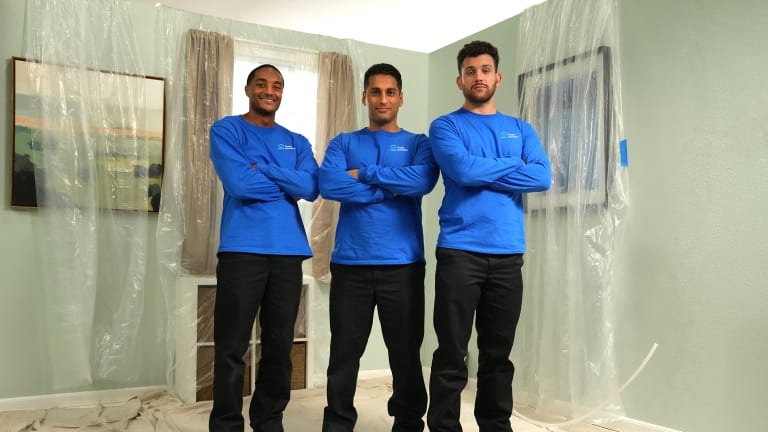
At Repipe Specialists, we will always complete your job to the highest degree, making it look like we were never even there. Cleaning, patching, and testing are all included in our repipe costs, so you can feel comfortable knowing your home is in the safest hands.
Nonetheless, it's always worth confirming this upfront. In a well-managed repipe project, the goal is simple: your home is left tidy, safe, and ready for final cosmetic finishing without disrupting the integrity of your new plumbing system.
You can trust that with Repipe Specialists, we will exceed your expectations on all these fronts. Contact us today to schedule a consultation with one of our local repipe consultants and receive a free written quote, either in-home or remotely.
Get your free estimate today
With over 80,000 repipes completed, we've perfected our One-Stop Repipe™ for your home.
How Long Does It Take for Your Plumbing System to Return to Normal?
In most homes, the plumbing system begins to stabilize almost immediately after repiping is completed. However, there may be a short period (usually a few hours to a couple of days) for everything to feel completely "normal" in the everyday use of your plumbing system.
This adjustment period is mainly due to air in the lines and minor sediment disturbance. As water flows through the new pipes, any trapped air is gradually expelled, and the system naturally equalizes. During this time, you might notice brief sputtering at taps, slight discoloration when first turning on the water, or small fluctuations in pressure that quickly settle.
If your home has been repiped with PEX piping, you may also notice a very faint, temporary "plastic-like" taste or smell in the water at first. This is normal with new PEX installations and typically disappears after the system has been flushed and used regularly for a short period.
These issues are typically temporary and resolve once the system has been fully flushed through normal use. Running each tap and shower for a few minutes is often enough to speed up the process and ensure consistent flow throughout the home.
Within a very short period, your new piping system should feel completely stable, delivering clean, steady water without the issues commonly associated with aging pipes.
Do New Pipes Require Maintenance After Repiping?
One of the key advantages of a full repipe is that it significantly reduces the need for ongoing plumbing maintenance.
Modern piping materials such as copper or PEX are designed for long-term durability and resistance to corrosion, scaling, and pinhole leaks. This is what makes repiping such a strong long-term investment for homeowners, as it replaces an aging, failure-prone system with one built for reliability and consistent performance.
Repiping is especially beneficial because it removes the underlying issues that typically cause ongoing plumbing problems. Older pipes such as galvanized plumbing or polybutylene pipes often suffer from internal corrosion, mineral buildup, and weakened joints, all of which gradually reduce water pressure and increase the risk of leaks.

By installing new pipes, you're essentially resetting the entire system—restoring clean internal pathways for your home's water and eliminating the deterioration that builds up over decades.
That said, there are a few simple practices homeowners should follow to ensure long-term performance:
- Monitor water pressure periodically to ensure it remains within a normal range
- Keep an eye out for unusual changes in flow or temperature consistency
- Have your pressure regulator checked if your home experiences pressure fluctuations
- Consider occasional plumbing inspections if your home is older or has complex plumbing layouts
Unlike aging pipe systems that require constant repair, a newly repiped home should not need frequent maintenance. Most issues that arise after installation are rare and usually related to external plumbing components rather than the new pipes themselves.
In short, once your home has been repiped correctly, you should experience a stable, low-maintenance plumbing system for many years to come.
Get a Quote for Repiping Your Home's Plumbing
One of the key benefits of repiping is that it removes many of the issues with aging pipes. By replacing your entire plumbing system with clean, modern materials, a full-home repipe restores a more hygienic, efficient, and reliable water supply throughout the home. At Repipe Specialists, we focus exclusively on complete home repipes, delivering an efficient, expert process backed by over 80,000 successful projects.
- Speed: Our repipe crews typically complete a repipe in a day, returning on another day for wall patching.
- Convenience: Through our One-Stop Repipe™ process, we handle everything from permits to wall patching to inspections.
- Cleanliness: Our crews are trained to protect your home while working (we cover all surfaces with protective sheeting), and to clean up fully at the end of each day.
- Peace of Mind: Repipe Specialists is a fully licensed plumber in every state we operate in, and we back all of our repipes with a lifetime warranty.
- Financing Programs: To help take the sting out of unplanned repipe expenses, we offer several financing programs.
- Price: As a specialist that performs hundreds of repipes a week, we can deliver high-quality repipes at a lower cost than generalist plumbers. Our quotes typically range from $4,500 to $15,000 depending on the size and complexity of your project. We have an article that covers repipe cost factors in detail.
Schedule a free in-home consultation today, and one of our local repipe consultants will assess your plumbing system, explain your options, and provide a fixed-price quote—giving you a cleaner, safer, and more reliable water system for years to come.