
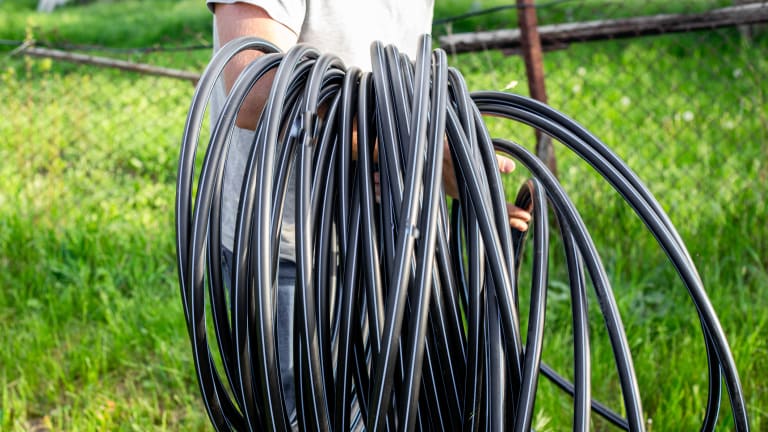
What Is HDPE Pipe?
HDPE pipe is made from high-density polyethylene, a type of thermoplastic known for its toughness and chemical resistance. Unlike traditional materials like copper or PVC, HDPE is both lightweight and strong, making it easier to handle during installation and less prone to cracking under pressure.
Some key characteristics of HDPE pipe include:
- Flexibility: It can bend to accommodate shifts in the ground or navigate around obstacles without the need for multiple fittings.
- Corrosion resistance: HDPE won't rust or corrode, even when buried underground or exposed to soil with varying pH levels.
- Chemical resistance: It handles most household and industrial chemicals, making it suitable for a wide range of plumbing and drainage applications.
HDPE pipes are typically used in:
- Underground water supply lines
- Sewer and drainage systems
- Irrigation and agricultural projects
- Industrial piping applications where durability is critical
HDPE's adaptability and reliability make it a go-to material for a variety of piping projects, particularly for cold water lines and underground systems.
Is HDPE Good for Plumbing?
HDPE is a good option for specific plumbing applications, especially where underground installation or high durability is needed. However, there are some considerations homeowners should be aware of:
- Temperature limitations: Standard HDPE is not recommended for hot water supply lines. Exposure to high temperatures can soften the material, reduce its pressure rating, and accelerate wear. For indoor hot water, PEX is generally preferred.
- Expansion and contraction: HDPE expands more than materials like copper or PEX when exposed to temperature changes, which must be accounted for during installation to avoid stress on fittings.
Despite these limitations, HDPE remains reliable for cold potable water lines, sewer systems, and other underground piping applications. Its fusion-welded joints create leak-free connections, and its chemical and corrosion resistance make it nearly maintenance-free for decades.
PEX vs HDPE: What Are the Advantages of PEX?
While HDPE has many strengths for underground or cold-water applications, PEX (cross-linked polyethylene) offers significant advantages for indoor plumbing, particularly repiping projects. PEX is made from polyethylene much like HDPE; however, it undergoes a cross-linking process that gives it superior strength, flexibility, and temperature resistance.
Among PEX types, Uponor's PEX-A tubing is widely regarded as one of the industry's best repiping materials, combining durability with ease of installation and long-term reliability.
Some of the key advantages of PEX (and specifically Uponor PEX-A) over HDPE include:
- Hot water compatibility: Unlike standard HDPE, PEX-A can safely carry hot water, making it ideal for complete household repipes and water heating systems.
- Superior flexibility: PEX-A can bend around corners and obstacles without multiple fittings, reducing potential leak points and simplifying installation.
Routing new PEX tubing through walls - Leak-resistant connections: When used with Uponor's proprietary fittings and expansion system, PEX-A provides virtually leak-proof joints, giving homeowners confidence in long-term performance.
- Noise reduction and durability: PEX-A absorbs water hammer and reduces pipe noise while resisting corrosion and mineral buildup that can affect metal pipes.
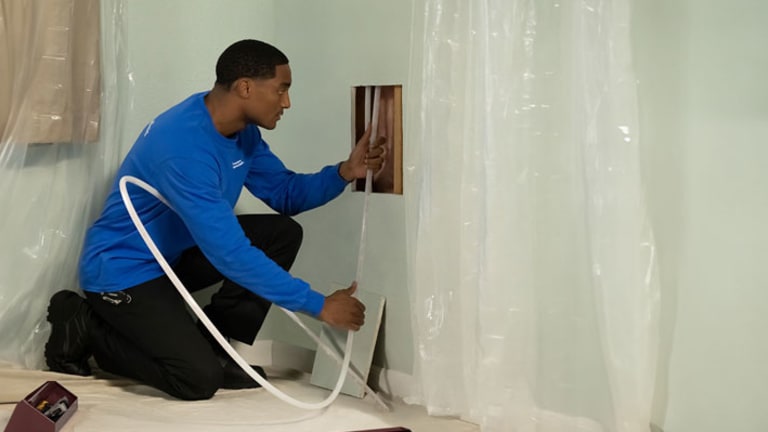
For homeowners planning a repipe, PEX-A offers unmatched reliability, efficiency, and ease of installation compared to HDPE. It's the preferred choice for modern plumbing systems, ensuring your water lines remain safe and functional for decades.
Get your free estimate today
With over 80,000 repipes completed, we've perfected our One-Stop Repipe™ for your home.
Get a Free Quote for Your PEX Repipe
If you're considering a repipe project, while HDPE may shine in underground or cold water applications, PEX is an excellent choice for all your fresh water line needs. At Repipe Specialists, we've completed over 80,000 full-home repipes across the United States, restoring long-term reliability to homes of all sizes. We often exceed our customers' expectations on:
- Speed: Our repipe crews typically complete a repipe in a day, returning on another day for wall patching.
- Convenience: Through our One-Stop Repipe™ Process, we handle everything from permits, to wall patching, to inspections.
- Cleanliness: Our crews are trained to protect your home while working (we cover all surfaces with protective sheeting), and to clean up fully at the end of each day.
- Peace of Mind: Repipe Specialists is a fully licensed plumber in every state we operate in, and we back all of our repipes with a lifetime warranty.
- Financing programs: To help take the sting out of unplanned repipe expenses, we offer several financing programs.
- Price: As a specialist that performs hundreds of repipes a week, we can deliver high quality repipes at a lower cost vs generalist plumbers. Our quotes typically range from $4,500 to $15,000 depending on the size and complexity of your project. We have an article that covers repipe cost factors in detail.
Schedule a free, no-obligation quote with one of our local Repipe Specialists today. They can explain your PEX repipe and ensure your home's water system is safe, efficient, and built to last.