
Why Are Certain Plumbing Materials Considered Bad?
Many once-standard plumbing materials are now considered unreliable because they degrade over time, leading to leaks, corrosion, and reduced water flow.
- Structural Weakness and Leaks: Older pipes often cannot withstand decades of exposure to water, minerals, and chemicals. They can weaken, crack, or fail completely, causing expensive repairs and water damage.
- Water Quality Concerns: Aging materials can negatively affect water quality through corrosion, rust, or chemical leaching. Even minor leaks can encourage hidden mold growth behind walls or under floors.
- Repair and Maintenance Difficulties: Outdated pipes are typically rigid and difficult to repair. They require more joints and fittings, which increases the number of potential failure points and raises repair costs.
- Modern Alternatives Are More Reliable: Modern plumbing materials are designed for flexibility, corrosion resistance, and longevity - reducing the risk of leaks, water damage, and frequent maintenance.
- Resale Issues: Homes with outdated plumbing can face resale problems. Prospective buyers and home inspectors often flag old pipes as a major concern, potentially lowering your property's value or delaying a sale.
- Long-Term Value of Replacement: Replacing outdated pipes proactively ensures your home's plumbing remains safe, functional, and efficient for years to come.
What Are the Most Common Outdated Plumbing Materials?
Many homes still have pipes that are no longer considered safe or reliable. Five of the most common outdated plumbing materials include:
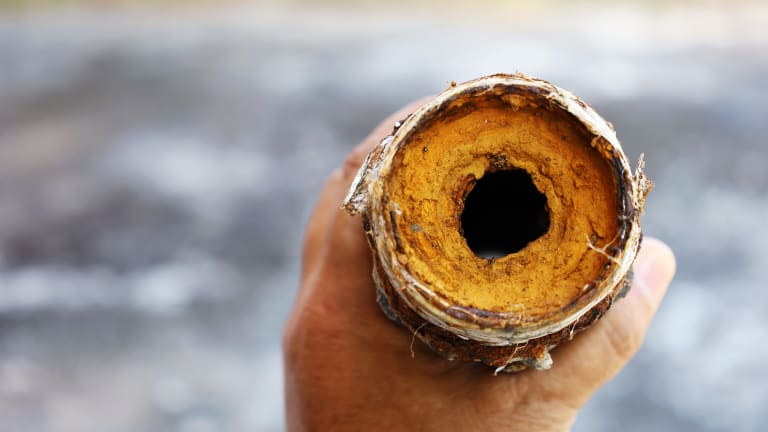
- Galvanized steel: These pipes were once standard but are prone to rust and corrosion over time. Mineral buildup inside the pipes can reduce water pressure, and eventually, the metal can weaken and leak, causing water damage.
Your old galvanized pipes look like this on the inside - Polybutylene: Popular from the 1970s through the 1990s, polybutylene pipes often fail suddenly due to chemical reactions with chlorine and other oxidants in water. Leaks can develop at fittings or along the pipe, making them unreliable for long-term use.
- Kitec piping: A combination of aluminum and plastic, Kitec pipes were installed in some homes in the 1990s and early 2000s. Over time, these pipes became prone to corrosion and joint failures, which can lead to significant leaks.
- Lead pipes: Found in homes built before the 1950s, lead pipes pose serious health risks. Lead can leach into drinking water, making these pipes a priority for replacement to protect family health.
- Copper (older installations): While copper is still a high-quality material, older copper pipes installed without modern fittings can develop pinhole leaks due to corrosion, especially in areas with acidic or highly chlorinated water.
Identifying the type of plumbing in your home is crucial for deciding whether a partial or full repipe is necessary. A licensed plumber can inspect your system and provide expert guidance on the safest and most effective replacements.
What Are the Best Replacement Materials for Old Pipes?
When replacing outdated or problematic plumbing, choosing the right materials is key to ensuring a long-lasting, reliable system. At Repipe Specialists, we recommend two proven options: PEX tubing and modern copper piping.
Copper piping
While a traditional material, copper remains a durable option when installed with modern techniques. Copper is naturally corrosion-resistant and has a long track record of reliability.
Unlike older copper pipes, which may develop pinhole leaks over time, today's copper installations use high-quality fittings and soldering methods to prevent corrosion and leaks.
Copper is also an excellent choice for homeowners seeking a material with a proven lifespan and minimal maintenance requirements. We use only the best American Made Type L copper pipes for all of our full-home copper repipes.
PEX (cross-linked polyethylene) tubing
PEX has quickly become the go-to choice for full-home repipes. Its flexibility allows it to bend around corners, reducing the need for multiple fittings and connections, which are potential leak points.
PEX is highly resistant to corrosion, scale buildup, and freezing, making it ideal for both hot and cold water lines. It also installs faster than traditional piping, reducing labor costs and disruption in your home.
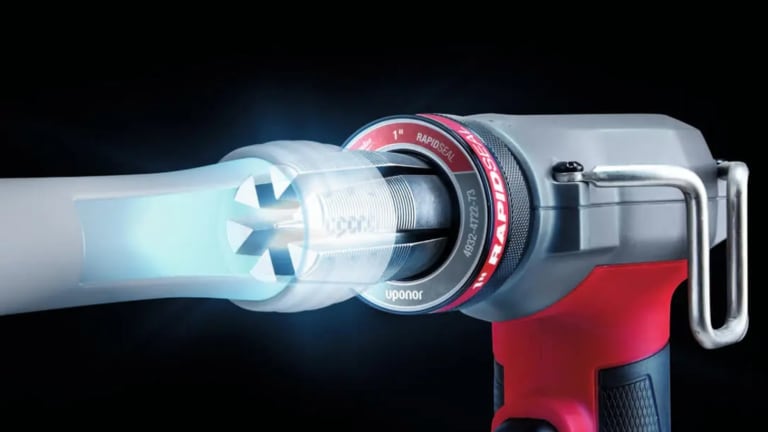
Many homeowners report that upgrading to PEX helps to eliminate recurring leaks and delivers consistent water pressure throughout their house. For our PEX repipes, we use Uponor PEX-A tubing to ensure that your home's plumbing is in safe hands for years to come.
By upgrading to either PEX or copper, depending on your personal preferences, homeowners can prevent the issues caused by older pipes, including leaks, water damage, and reduced water flow.
Both materials provide peace of mind, knowing that your plumbing system is designed to last for decades while delivering safe, reliable water throughout your home.
Get your free estimate today
With over 80,000 repipes completed, we've perfected our One-Stop Repipe™ for your home.
Get A Free Quote For Your Home Repipe
At Repipe Specialists, we've helped thousands of homeowners replace outdated or problematic plumbing materials such as galvanized steel, polybutylene, and old copper pipes using durable PEX tubing. By upgrading to new modern pipes, our clients have enjoyed safer, more reliable plumbing that helps prevent leaks:
- Speed: Our repipe crews typically complete a repipe in a day, returning on another day for wall patching.
- Convenience: Through our One-Stop Repipe™ Process, we handle everything from permits, to wall patching, to inspections.
- Cleanliness: Our crews are trained to protect your home while working (we cover all surfaces with protective sheeting), and to clean up fully at the end of each day.
- Peace of Mind: Repipe Specialists is a fully licensed plumber in every state we operate in, and we back all of our repipes with a lifetime warranty.
- Financing programs: To help take the sting out of unplanned repipe expenses, we offer several financing programs.
- Price: As a specialist that performs hundreds of repipes a week, we can deliver high-quality repipes at a lower cost vs generalist plumbers. Our quotes typically range from $4,500 to $15,000 depending on the size and complexity of your project. We have an article that covers repipe cost factors in detail.
Stop worrying about leaks from outdated or failing pipes. Schedule a free, no-obligation quote with a local repipe consultant today, and discover how replacing old plumbing with durable PEX can help prevent leaks, reduce mold risk, and ensure reliable water flow for years to come.