
What Causes Limescale Buildup on Plumbing Fixtures?
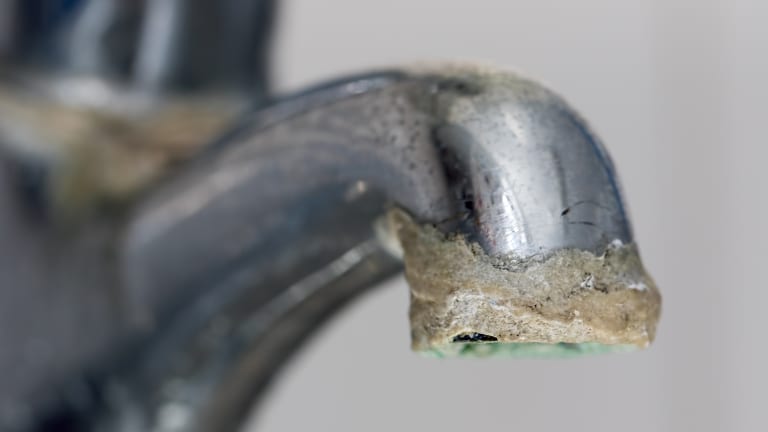
Limescale is primarily caused by hard water, which is water that contains a high concentration of minerals, especially calcium and magnesium. As hard water flows over metal surfaces, these minerals gradually build up, leaving behind the familiar white or yellow crust.
The severity of limescale depends on several factors:
- Water hardness: The higher the mineral content, the faster limescale forms. Water with more than 120 mg/L of calcium carbonate is considered hard and can lead to noticeable buildup.
Mineral build up will restrict your water flow - Frequency of water use: Fixtures that are used often will show signs of limescale sooner, but even rarely used taps can develop deposits over time.
- Temperature: Hot water speeds up mineral deposition, which is why limescale tends to form more quickly around water heaters, kettles, and showerheads.
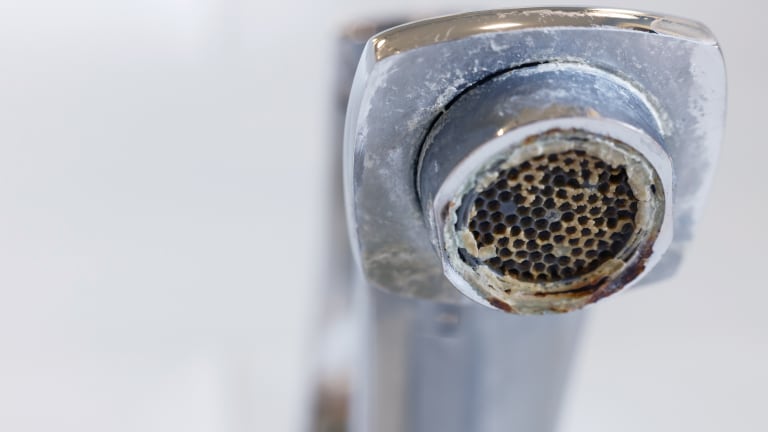
While limescale is common in many areas, it's especially prevalent in regions that rely on groundwater or river water.
Left unaddressed, the minerals in hard water can cause more than just visible buildup—they can reduce water flow, lower appliance efficiency, and even damage your plumbing system over time.
What Removes Limescale from Faucets and Showerheads?
Removing limescale from fixtures is relatively straightforward when you use the right approach, though some methods are safer and more effective than others. Many homeowners reach for vinegar or other mild acids, which can dissolve mineral deposits without damaging chrome, brass, or stainless steel surfaces.
Some useful strategies include:
- Vinegar Soaks: Remove any removable parts and soak them in a mixture of equal parts vinegar and water for several hours. This softens deposits, making them easier to scrub away. Similarly, the citric acid in lemon juice works much the same as vinegar.
- Commercial Descaling Products: Widely available at hardware stores, these products are designed to target calcium buildup without harming fixtures when used as directed.
- Mechanical Cleaning: Soft brushes or non-abrasive pads can help remove stubborn deposits. Avoid steel wool, which can scratch and damage surfaces.
Regular maintenance can prevent heavy buildup and keep your fixtures functioning properly. If you notice limescale returning frequently, it may indicate a larger water quality issue that requires a system-level solution.
Can Limescale Buildup Occur Inside Pipes?
Absolutely. Limescale doesn't just affect what you can see - it can build up inside your plumbing as well. Over time, calcium and magnesium deposits coat the interior walls of pipes, gradually restricting water flow and reducing efficiency.
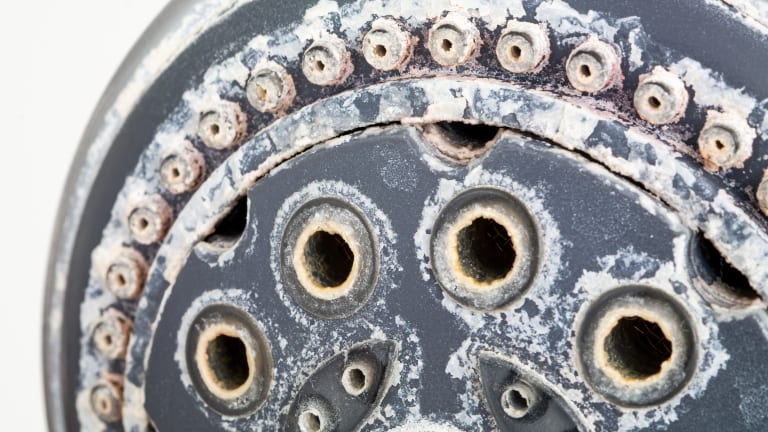
This internal buildup can have several consequences. Mineral deposits can limit the flow, making showers and taps less effective. In more severe cases, they can lead to partial or complete blockages. In copper pipes, limescale can create uneven surfaces that accelerate corrosion, eventually resulting in pinhole leaks.
Unlike surface limescale, these internal deposits are extremely difficult - if not impossible - to remove completely. That's why homeowners dealing with recurring limescale often need to consider replacing affected pipes to restore proper water flow and prevent long-term damage.
How Do You Stop Limescale Buildup in Plumbing?
There are several strategies to help limit or prevent limescale buildup, ranging from water treatment to pipe replacement. The right approach depends on the severity of the problem and the overall condition of your plumbing system:
- Water Softeners: These systems use ion exchange to replace calcium and magnesium ions with sodium or potassium, reducing hardness and preventing scale from forming. However, water softeners cannot remove existing limescale already built up inside your pipes; they only help prevent future deposits.
- Whole-Home Filtration Systems: While primarily designed to remove contaminants, some filters include water-softening components, helping to reduce mineral deposits before they reach your fixtures. That said, filtration systems cannot fix pipes that are already clogged or corroded by limescale, nor can they completely stop all mineral buildup if the water is extremely hard.
Replacing Pipes With PEX
For persistent or severe limescale buildup, repiping with cross-linked polyethylene (PEX) tubing is often the most effective long-term solution. PEX has a smooth interior that resists mineral deposits, and fewer bends and fittings mean there are fewer areas for limescale to accumulate.
PEX is flexible, durable, and corrosion-resistant, making it ideal for combating hard water issues. A full repipe with PEX not only restores your home's water flow and pressure but also provides a long-term solution to hard water damage, reducing maintenance and helping your plumbing last for decades.
Contact us today to schedule a consultation with one of our local repipe specialists and receive a free written quote, either in-home or remotely.
Get your free estimate today
With over 80,000 repipes completed, we've perfected our One-Stop Repipe™ for your home.
Get a Quote for Whole-Home Repiping with PEX Pipes
Since 1991, Repipe Specialists has upgraded the plumbing in thousands of homes using high-quality Uponor PEX-A tubing, providing a durable solution that resists limescale buildup and general wear over time. Homeowners consistently praise our repipes for being faster, cleaner, and less disruptive than expected, often exceeding expectations in reliability, attention to detail, and overall convenience.
- Speed: Our repipe crews typically complete a repipe in a day, returning on another day for wall patching.
- Convenience: Through our One-Stop Repipe™ Process, we handle everything from permits, to wall patching, to inspections.
- Cleanliness: Our crews are trained to protect your home while working (we cover all surfaces with protective sheeting), and to clean up fully at the end of each day.
- Peace of Mind: Repipe Specialists is a fully licensed plumber in every state we operate in, and we back all of our repipes with a lifetime warranty.
- Financing Programs: To help take the sting out of unplanned repipe expenses, we offer several financing programs.
- Price: As a specialist that performs hundreds of repipes a week, we can deliver high-quality repipes at a lower cost vs generalist plumbers. We have an article that covers repipe cost factors in detail. Our quotes typically range from $4,500 to $15,000, depending on your home's size and complexity.
Book a free in-home consultation today, and one of our local repipe experts will explain all your options and provide a fixed-price written quote. Upgrade to limescale-resistant PEX now to keep your home's plumbing protected.