
How Do I Know If My House Needs Repiping?
Plumbing systems rarely fail all at once. Instead, they tend to show gradual warning signs as pipes age, corrode, or begin to deteriorate. Think of it as little hints that they are in pain and need care.
Recognizing these hints early can help you avoid repeated repairs and potential water damage. Here are just some of the most common indicators that your home may need repiping:
- Frequent pipe leaks: If you're regularly calling a plumber for leaks in different areas of the home, this is a clear sign of systemic failure in your plumbing rather than isolated issues. When leaks become recurring, it usually means the pipe material itself is reaching the end of its lifespan.
- Rust-colored or discolored water: Brown, yellow, or cloudy water is often an indicator of internal pipe corrosion, particularly in older galvanized steel or aging copper systems. This corrosion can break down pipe walls and affect water quality throughout your home.
- Low water pressure throughout the house: If multiple fixtures are experiencing weak water flow, it may be due to mineral buildup or corrosion restricting the pipe's internal diameter. This is a sign of widespread pipe degradation rather than a single blockage.
- Slab leaks: Leaks occurring beneath your concrete foundation are a serious indicator of failing underground pipes. These are difficult and costly to repair in isolation and often point to broader system deterioration.
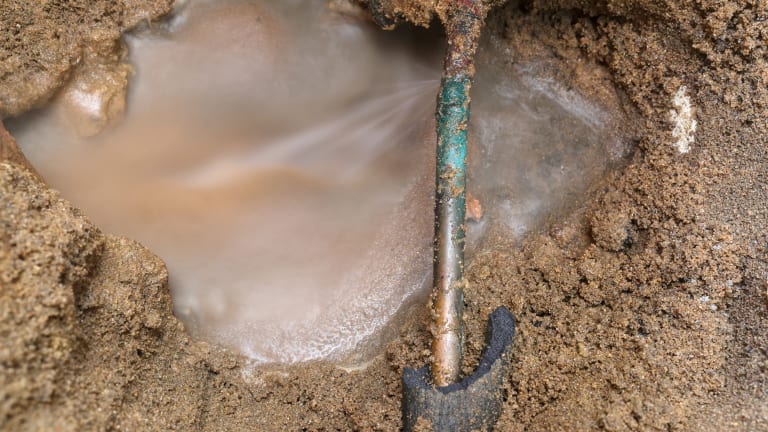
- Pinhole leaks in copper pipes: Small, frequent leaks in copper plumbing usually indicate corrosion from the inside out. Once pinhole leaks begin appearing, it is often a sign that other sections of pipe may fail soon after.
Green copper pipes can be a sign of leaking plumbing - Fluctuating water temperatures: Inconsistent hot or cold water can result from restricted flow or failing pipes that struggle to maintain steady pressure and distribution across the plumbing system.
- Corrosion on visible pipes or fittings: Visible rust, flaking, or mineral buildup on exposed piping is often just the surface sign of a much larger issue occurring inside the system.
- Unexplained increases in water bills: A rise in your water bills without increased usage can indicate hidden leaks within walls, under floors, or underground.
- Aging plumbing system (40–50+ years old): Homes with older galvanized steel, polybutylene, or early-generation copper systems are at higher risk of systemic failure, even if issues have not yet become visible.
When several of these signs appear together, it is a telltale indication that your plumbing system is no longer operating reliably as a whole. In these cases, a professional inspection is the essential first step toward determining whether a full repipe is the most effective long-term solution.
How Disruptive Is Repiping A House?
One of the main concerns homeowners have is whether repiping will turn their home upside down for days or weeks. While it is a major plumbing upgrade, modern repiping solutions are designed to be efficient, contained, and as minimally disruptive as possible.
In most cases, a full home repipe can be completed in just one to two days, depending on the size of the property and the complexity of the plumbing system. The process is structured to limit downtime, reduce mess, and keep the home functional wherever possible.
Here is what our repipe process typically involves:
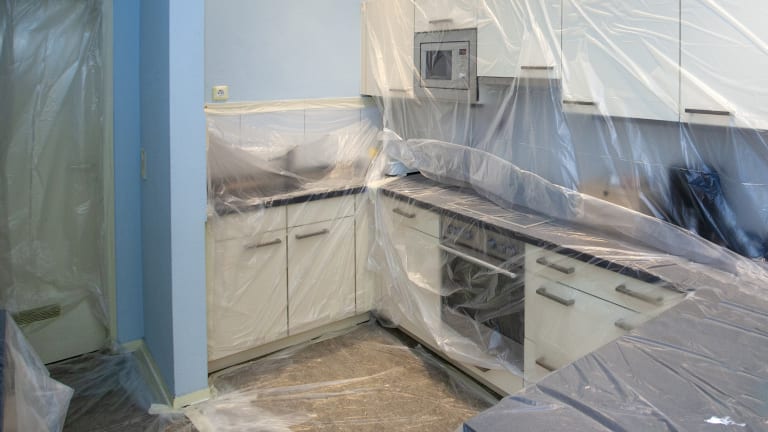
- Home protection and preparation: Before work begins, our crew will fully protect your home by covering floors, furniture, and key surfaces with heavy-duty sheeting. This helps prevent dust, debris, and any accidental damage during the installation process.
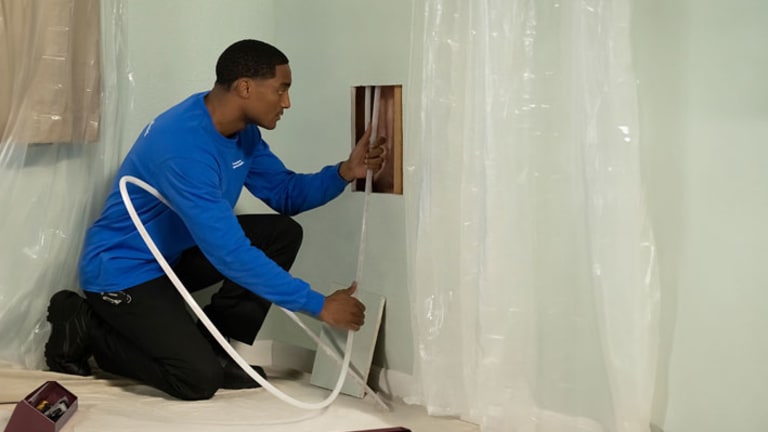
- Careful access to pipework: Instead of large-scale demolition, we create small, strategic access points in walls or ceilings to reach existing plumbing. These openings are planned carefully to minimize impact on your home's structure and appearance.
- Installation of new system: The outdated plumbing is disconnected and replaced with new piping, typically PEX tubing or copper. We often leave the old pipes in place, threading new plumbing through the central manifold to help minimize disruption.
Routing new PEX tubing through walls - Temporary water shut-offs and staged restoration: Water is turned off in stages as new pipes are installed, but our crews aim to restore partial or full water access at the end of each workday where possible. This helps reduce inconvenience in your home and allows you to continue your daily routine.
- Testing, inspection, and final restoration: Once installation is complete, the system is pressure-tested and inspected to ensure everything is functioning correctly. After that, access points are patched, and your home is cleaned and returned to its condition prior to the repipe.
While there is some short-term disruption, we always ensure our work is completed to the highest professional standard. Most homeowners find that this brief inconvenience is far outweighed by the long-term reliability of a fully renewed plumbing system.
Get your free estimate today
With over 80,000 repipes completed, we've perfected our One-Stop Repipe™ for your home.
Is It Better To Repipe Or Keep Repairing Old Pipes?
When plumbing issues are isolated, a single repair can sometimes work as a short-term fix. However, if your home is experiencing systemic problems—such as recurring leaks, low water pressure throughout the house, slab leaks, or aging pipe materials—continually repairing old pipes is never a long-term solution.
Once a plumbing system begins to deteriorate, issues tend to spread at a rapid pace. Fixing one leak often just means another appears elsewhere, leading to a cycle of ongoing repairs, water damage risk, and rising costs without addressing the root cause.
In these cases, a full repipe is almost always the best option for your home. Replacing your entire plumbing system instead of sections with modern materials like PEX tubing or copper piping helps create a unified system rather than a patchwork of failing sections.
Our repipes provide more than just a permanent fix—they help restore consistent water pressure, reduce the risk of future leaks, and eliminate the need for repeated emergency repairs. While repairs may help delay larger issues, they do not stop the overall decline of an aging system.
For homes experiencing repeated or widespread plumbing issues, repiping is not only the more reliable option—it is the most cost-effective and future-proof decision for your home.
Get A Quote For A Professional Repipe
At Repipe Specialists, we've completed over 80,000 home repipes and bring decades of experience in full home repiping using copper and PEX systems. A properly installed whole-home repipe is a long-term solution that addresses the root cause of systemic plumbing failure, rather than repeatedly repairing aging pipes. Most projects are completed in as little as one to two days, with wall patching handled separately to keep disruption to a minimum:
- Speed: Our repipe crews typically complete a repipe in a day, returning on another day for wall patching.
- Convenience: Through our One-Stop Repipe™ process, we handle everything from permits to wall patching to inspections.
- Cleanliness: Our crews are trained to protect your home while working (we cover all surfaces with protective sheeting), and to clean up fully at the end of each day.
- Peace of Mind: Repipe Specialists is a fully licensed plumber in every state we operate in, and we back all of our repipes with a lifetime warranty.
- Financing Programs: To help take the sting out of unplanned repipe expenses, we offer several financing programs.
- Price: As a specialist that performs hundreds of repipes a week, we can deliver high-quality repipes at a lower cost than generalist plumbers. Our quotes typically range from $4,500 to $15,000 depending on the size and complexity of your project. We have an article that covers repipe cost factors in detail.
Schedule a free in-home consultation today, and one of our local repipe consultants will assess your plumbing system, explain your repipe options, and provide a fixed-price quote—helping give you the long-term peace of mind of knowing your home is protected.