

Repair vs Repipe: Which Is More Cost-Effective?
The vast majority of galvanised plumbing still found in residential fresh water systems has reached the end of its intended lifespan.
This is especially true in older homes, where ageing water pipes are far more likely to corrode internally, restrict flow, and affect drinking water quality. We cover this in more detail in our article on the history of galvanised plumbing and the expected lifespan of galvanised water lines.
At this stage, it's not a question of if your galvanised water pipes will fail — but when. Homeowners are often left deciding whether to spread pipe replacement out over time, or replace all water lines in one complete project.
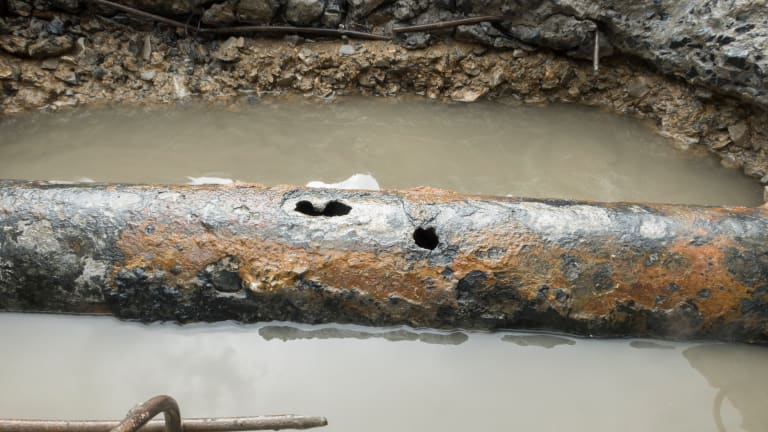
Because we specialise in whole-house repiping, we'll admit a little bias — but in situations involving systemic plumbing issues, such as deteriorating galvanised water lines, a full repipe completed all at once is typically the most practical and cost-effective solution. It also reduces the risk of sudden failures like a burst pipe, hidden leaks, or escalating water bills.
Many of our customers tell us they wish they had repiped sooner, after years of repeated repairs, rising water bills, water damage, or ongoing issues with low pressure and poor-quality drinking water.
Thanks to our streamlined One Stop Repipe™ process, we can usually complete a whole-home pipe replacement in just one to two days. We manage the entire project — including permits and drywall repairs — and your water will always be restored at the end of each day, even if the work continues.
To help offset the cost of an unexpected pipe replacement, we also offer flexible financing options, including our Nothing Down, No Interest plans, subject to approved credit.
Signs Your Galvanized Pipes Are Failing
Galvanized steel pipes were never designed to last forever. In many older homes, these aging water pipes are now well beyond their expected lifespan, making failures increasingly common.
Recognizing the early warning signs can help homeowners avoid costly water damage and unplanned emergencies. Here's our top five:
- Discolored or rusty water: Brown, yellow, or metallic-tasting water is often caused by internal corrosion inside galvanized water lines and can affect drinking water quality.
- Low or uneven water pressure: As galvanized pipes corrode from the inside, mineral buildup restricts flow, leading to weak pressure at faucets and showers throughout the home.
- Frequent leaks or pipe repairs: Repeated leaks in different areas of the home usually indicate a system-wide problem rather than isolated failures.
- A sudden spike in your water bill: Hidden leaks behind walls or under slabs can cause unexplained increases in monthly water usage.
- Visible corrosion on exposed pipes: Flaking, rust, or pitting on exposed sections of galvanized piping is a strong indicator of deterioration elsewhere in the system.
If several of these issues sound familiar, ongoing repairs may no longer be the most cost-effective solution. In many cases, replacing all galvanized water lines at once can reduce long-term costs, improve water pressure, and restore reliable access to clean drinking water.
How Much Should A Repipe Cost?
At Repipe Specialists, most residential repipes range from $4,500 for a two-bedroom, one-bath home to $15,000 for larger or more complex projects. Later in this article, we review key factors to consider when comparing repipe quotes to help you make an informed decision.
Key Factors That Influence Residential Repipe Costs
Several elements determine the total cost of replacing your home's plumbing system. Understanding these factors can help you compare quotes accurately and avoid unexpected expenses.
- Type of piping material: The primary options are copper pipe or PEX tubing. PEX is often more cost-effective than copper. For more information, see our article: Is PEX a Good Choice for Repiping?.
- Pipe quality and specifications: Not all copper or PEX pipes are created equal. Copper comes in different grades and thicknesses, and some non-US suppliers may have inconsistent quality. PEX tubing also varies between manufacturers. At Repipe Specialists, we only use Uponor PEX tubing and American-made Grade L copper piping, both backed by lifetime warranties.
- Connectors and fittings: The quality of valves, pressure regulators, and tube connectors affects longevity and leak prevention. Always check the types of fittings included in your quote.
- Number of plumbing outlets: Showers, sinks, toilets, laundry facilities, and other water fixtures influence the total piping and labor required.
- Linear feet of plumbing: The total length of pipe needed directly impacts material and labor costs.
- Accessibility of plumbing: Plumbing in attics, basements, open sub-floors, raised foundations, or standard drywall construction affects labor complexity and cost.
- Included services and add-ons: Some quotes include drywall repair, water heater replacement, pressure regulators, main service line replacement, building permit coordination, and home protection measures (floor coverings and plastic sheeting).
- Type of plumbing company: Specialist repipe companies often provide higher-quality service at a lower cost than generalist plumbers. At Repipe Specialists, our quotes can be up to half the price of some general plumbing companies. Learn more: Choosing A Repipe Company: Specialists vs General Plumbers.
Our local estimators provide fixed-price quotes with a clearly defined scope of work and materials. Contact us by phone or email today to schedule your free in-home consultation and receive a personalised estimate for your home's pipe replacement.
Get your free estimate today
With over 80,000 repipes completed, we've perfected our One-Stop Repipe™ for your home.
Comparing Repipe Quotes? Factors To Consider
When comparing repipe quotes, it's important to look beyond the bottom-line price. Two repipe estimates can vary significantly based on materials, workmanship, and what is (or isn't) included in the scope of work.
Understanding these details upfront will help you compare quotes accurately and avoid unexpected costs later:
- Pipe and connector type specifications: You can't directly compare a copper repipe to a PEX repipe without understanding the material details. Not all copper pipe or PEX tubing is the same, and there are multiple pipe connection methods used in residential repiping. Always ask for the exact pipe grades, brands, and connection systems being used, and make sure these specifications are clearly written into the quote.
- Angle stops, compression valves, and supply lines: These components are easy places for a contractor to cut costs. Angle stops are the shut-off valves at each fixture, while supply lines connect those valves to faucets and toilets. Higher-quality valves and supply lines last longer, are less prone to leaks, and are far more reliable when you need to shut water off quickly.
- Pressure regulator valve: In areas with high municipal water pressure, homes rely on a pressure-reducing valve to protect plumbing systems. These valves have limited lifespans and often need to be replaced during a repipe to ensure proper pressure and prevent premature pipe failure.
- Cleanup and site protection practices: Your repipe quote should clearly explain how your home will be protected during the project and what condition it will be left in afterward. This includes floor coverings, plastic sheeting over furniture and surfaces, and thorough cleanup at the end of the job.
Repipe Specialists protecting home with plastic sheeting - Warranties: Ask for clear details on what the warranty covers, including exclusions, duration, and whether it's transferable to future homeowners.
- Building permits: Confirm that the repipe company will pull all required permits and manage inspections through final approval and sign-off.
- Main service line repipe: Many repipe projects do not require replacing the main water service line from the street to the home, but when it is needed, it can significantly impact total cost. Be sure this work is either included or explicitly excluded in the written quote to avoid mid-project change orders.
- Water heaters: It's common for homeowners to replace or upgrade a water heater during a repipe, especially if the existing unit is nearing the end of its lifespan.
- Drywall repair: All repipes require cutting into walls to some extent. Some companies include drywall repair in their pricing, while others expect homeowners to hire a separate contractor. Clarify whether drywall patching and finish work are part of the quoted scope.

A detailed, transparent repipe quote should clearly outline all materials, labor, and included services. Get a free no-obligation quote today.
Get a Quote for Repiping Your Home
Here at Repipe Specialists, we've fully replaced the plumbing in over 80,000 homes since 1991 using both copper piping and PEX tubing. We continually get positive customer feedback from customers about their overall home repipe experiences. We often exceed their expectations on:
- Speed: Our repipe crews typically complete a repipe in a day, returning on another day for wall patching.
- Convenience: Through our One-Stop Repipe™ process, we handle everything from permits, to wall patching, to inspections.
- Cleanliness: Our crews are trained to protect your home while working (we cover all surfaces with protective sheeting), and to clean up fully at the end of each day.
- Peace of Mind: Repipe Specialists is a fully licensed plumber in every state we operate in, and we back all of our repipes with a lifetime warranty.
- Financing programs: To help take the sting out of unplanned repipe expenses, we offer several financing programs.
- Price: As a specialist that performs hundreds of repipes a week, we can deliver high-quality repipes at a lower cost vs generalist plumbers. We have an article that covers repipe cost factors in detail.
Schedule a free in-home consult, and one of our local repipe consultants will explain all your repipe options and provide you with a written, fixed-price quote.