
Can Flushing a Water Heater Fix Low Water Pressure?
Flushing your water heater may help improve your home's water pressure, but it may not be a permanent fix.
Over time, minerals and sediment settle at the bottom of a storage tank, especially in homes with hard water. This buildup reduces hot water capacity and can restrict flow at your faucets and showers. Flushing the tank can help clear some of it out, and it's most likely to help if:
- The pressure drop affects hot water only
- You hear popping, hissing or banging from the tank
- The tank hasn't been flushed in a year or more
How to Flush a Water Heater
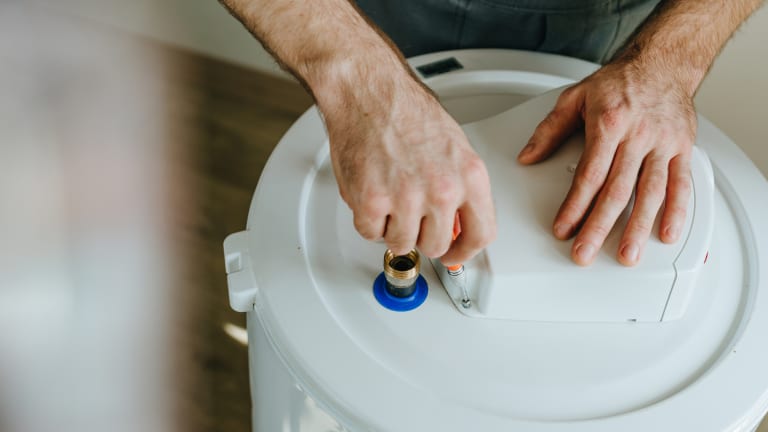
Here is the basic process for a storage tank heater. Always check your manufacturer's instructions first.
- Turn off the power (electric) or set the gas control to "pilot" or "off" (gas).
- Close the cold water supply valve to the heater.
- Connect a garden hose to the drain valve and run it to a floor drain or outdoors.
- Open a hot water tap in the house to let air in, then open the drain valve.
- Once the tank is empty, briefly open the cold supply to stir up and flush remaining sediment until the water runs clear.
- Close the drain valve, refill the tank fully, and only then restore power or gas.
It's also worth checking the pressure relief valve. A faulty or leaking valve can lower pressure throughout the home, and because it's a safety device, replacement is best left to a licensed plumber.
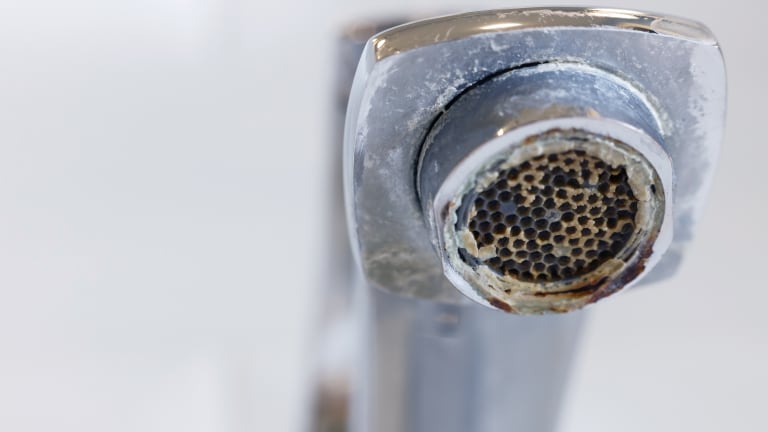
However, flushing only cleans the heater, not your pipes. Hard water leaves mineral scale that bonds to the inside of pipes, and rust and corrosion eat into older piping itself. Neither can be flushed out. This is why pressure often improves briefly, then drops again. If your pressure is still low after flushing, the problem is likely in the pipes themselves.
Get your free estimate today
With over 80,000 repipes completed, we've perfected our One-Stop Repipe™ for your home.
Can Old Pipes Cause Low Water Pressure?
Yes, and they're one of the most common causes of persistent low pressure. If flushing your water heater gave you only temporary relief, or none at all, the restriction may be elsewhere in the system. Pipes that are corroded, scaled or partially blocked narrow the path water has to travel, so less of it reaches your fixtures.
Several factors may drive this:
- Outdated galvanized pipes: Common in older homes, galvanized steel corrodes from the inside out, and rust and scale gradually shrink the pipe's interior diameter.
Corroded, old galvanized plumbing - Hard water: Mineral deposits build up inside pipes just as they do in your water heater tank.
- Debris and rust particles: Material from a deteriorating water heater or aged piping can travel through the lines and lodge in fixtures and fittings.
- Hidden leaks: Water escaping before it reaches your tap reduces the pressure available at the fixture.

Because this deterioration happens out of sight, the symptoms tend to be the clue. Pressure that's low throughout the house, or that keeps worsening after repairs, usually points to the pipes rather than a single appliance. Discolored or rusty water, which is common with corroding pipes, is another telltale sign.
When Should You Repipe Your Home's Plumbing?
Repairs and flushing make sense for isolated problems with your water heater. A repipe becomes the better investment when the problem is systemic, affecting your whole plumbing system. It is worth considering if:
- Pressure remains low after you've flushed the heater and replaced the relief valve
- Your home has galvanized pipes, or the plumbing is decades old
- You've had repeated leaks or pinhole leaks in different parts of the house
- Your water is discolored, rusty or has a metallic taste
- Your water heater is over 10 years old and showing signs of internal corrosion, since this often goes hand in hand with aging plumbing
Replacing the entire system at once is generally less disruptive and more cost-effective than replacing it in stages, which can mean repeated repairs, wall openings and bills over several years. A full repipe also removes hidden problems before they become emergencies, and it means you no longer need to compensate for underlying issues.
Modern repipes use materials like Uponor PEX-A tubing or Type L copper pipe, both built for strong, consistent flow and long service life. Many homeowners are surprised by how much their pressure improves afterward.
Contact us to schedule a consultation with one of our local repipe consultants and receive a written quote, either in-home or remotely.
Get a Quote to Fix Low Water Pressure Today
If you've flushed your water heater and the problem persists, it may be time to find out what's happening inside your walls. At Repipe Specialists, we've completed over 80,000 repipes with our One-Stop Repipe™ process, which means we handle everything from permits and inspections to wall patching. Here's what you can expect:
- Speed: Our repipe crews typically complete a repipe in a day, returning on another day for wall patching.
- Convenience: Through our One-Stop Repipe™ process, we handle everything from permits to wall patching to inspections.
- Cleanliness: Our crews are trained to protect your home while working (we cover all surfaces with protective sheeting), and to clean up fully at the end of each day.
- Peace of Mind: Repipe Specialists is a fully licensed plumber in every state we operate in, and we back all of our repipes with a lifetime warranty.
- Financing Programs: To help take the sting out of unplanned repipe expenses, we offer several financing programs.
- Price: As a specialist that performs hundreds of repipes a week, we can deliver high-quality repipes at a lower cost than generalist plumbers. Our quotes typically range from $4,500 to $15,000 depending on the size and complexity of your project. We have an article that covers repipe cost factors in detail.
Schedule a free in-home or remote consult today, and a local repipe consultant will explain your options and give you a written, fixed-price quote. Get your free repipe quote and enjoy fast-flowing, high-pressure water throughout your home.