
How Damaged Plumbing Pipes Affect Your Washing Machine's Performance
Plumbing pipes are the arteries of your home, carrying water exactly where it's needed. When pipes are damaged - whether from corrosion, leaks, or cracks - your washing machine can run into a variety of performance issues.
Many older homes still have galvanized steel pipes, which are prone to rust and corrosion over time. As these pipes age, rust and debris can build up inside the system, potentially staining clothes and clogging your washer's internal components.
Hard water can make the problem even worse. High levels of calcium and magnesium can cause scale to form inside pipes, valves, and hoses, narrowing water pathways and putting extra strain on your washer's motor and pump.
Even minor leaks or partially blocked pipes can affect performance, leading to longer cycles and inconsistent water flow.
Signs Your Plumbing Is Causing Washing Machine Problems
Spotting plumbing-related washer issues early can save both your appliance and your home from serious damage. Common warning signs include:
- Inconsistent water levels: Your washer may fill too slowly or unevenly, often due to partially blocked, corroded, or scale-filled pipes.
- Longer wash cycles: Low water flow forces the machine to work harder to fill, which can extend cycle times.
- Leaks or puddles: Water pooling around the machine can indicate a leak in the supply or drain lines.
- Clogged filters, rust, or sediment buildup: Aging pipes - especially older galvanized steel - can release rust and debris into your plumbing, while hard water can add mineral scale. These materials may end up in the washer drum, affecting performance and potentially staining clothes.
If you notice any of these issues, it's a good idea to inspect your plumbing or call a professional. Catching problems early can prevent minor issues from becoming major repairs, protecting both your washing machine and your home.
Get your free estimate today
With over 80,000 repipes completed, we've perfected our One-Stop Repipe™ for your home.
Can Low Water Pressure From Damaged Pipes Affect Your Washing Machine?
Low water pressure is one of the most common symptoms of damaged plumbing and can have a big impact on your washer's performance.
Corroded, blocked, or leaking pipes reduce the water flow reaching your machine, which can lead to incomplete cycles, detergent residue, and longer running times.
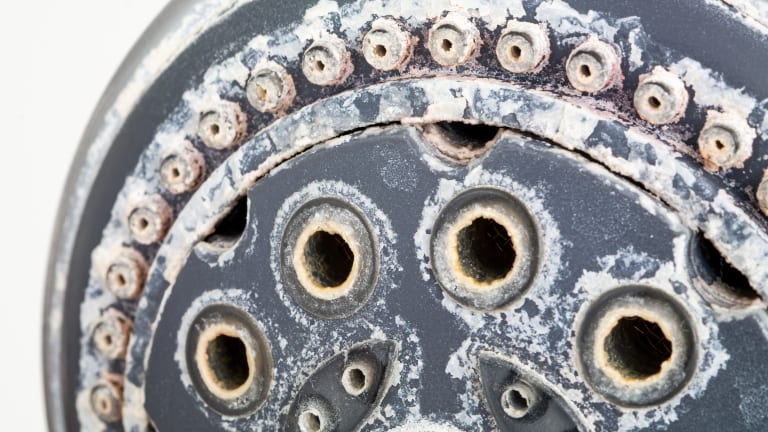
Hard water can make the problem even worse. Mineral buildup narrows the interiors of pipes and coats washer components like hoses, valves, and internal tubing. Over time, this can reduce efficiency and put extra wear on motors and pumps.
If your washing machine fills slowly, doesn't rinse properly, or leaves soap residue, low water pressure combined with hard water could be the culprit.
Addressing damaged pipes and reducing the effects of hard water - through solutions like water softeners or repiping with PEX tubing - can restore proper flow, protect your washer, and help prevent future problems.
When Should You Repair or Replace Damaged Plumbing Pipes?
Sometimes, washing machine problems can be solved by repairing or replacing parts of the appliance itself, such as hoses, valves, or internal pumps. If the issue is isolated to the washer, these fixes may restore normal performance without needing any plumbing work.
However, if your washer continues to show signs of trouble - like inconsistent water levels, slow fill times, or rust and sediment in the drum - this often points to a systemic plumbing issue.
Damaged, corroded, or outdated pipes throughout your home can reduce water flow, deposit rust or scale, and put extra strain on appliances. In these cases, simply repairing the washing machine won't address the root problem.
When you notice multiple leaks, repeated low water pressure, rusty or discolored water, or visible corrosion, replacing the plumbing system is usually the most effective long-term solution. Modern materials, like PEX piping, offer durability, corrosion resistance, and minimal scale buildup, ensuring reliable water flow and protecting appliances like your washing machine for decades.
Contact us today to schedule a consultation with one of our local repipe specialists and receive a free written quote - either in-home or remotely.
Get a Quote to Replace Damaged Plumbing Pipes
Since 1991, Repipe Specialists has helped homeowners protect their appliances and plumbing by replacing damaged or aging pipes in thousands of homes. Our repipes provide long-lasting solutions that restore water flow, prevent leaks, and safeguard washing machines from the effects of failing plumbing. Homeowners consistently praise our service for being fast, clean, and minimally disruptive, often exceeding expectations in reliability, convenience, and peace of mind:
- Speed: Our repipe crews typically complete a repipe in a day, returning on another day for wall patching.
- Convenience: Through our One-Stop Repipe™ Process, we handle everything from permits to wall patching to inspections.
- Cleanliness: Our crews are trained to protect your home while working (covering all surfaces with protective sheeting) and clean up completely at the end of each day.
- Peace of Mind: Repipe Specialists is fully licensed in every state we operate in and backs all of our repipes with a lifetime warranty.
- Financing programs: To help ease the cost of unplanned repipes, we offer several financing programs.
- Price: As a specialist performing hundreds of repipes each week, we deliver high-quality repipes at a lower cost than generalist plumbers. We have an article that covers repipe cost factors in detail. Our quotes typically range from $4,500 to $15,000, depending on your home's size and complexity.
Book a free in-home consultation today, and one of our local repipe consultants will assess your plumbing, explain all your options, and provide a fixed-price written quote - helping you protect your washing machine and your home from damage caused by faulty pipes.